
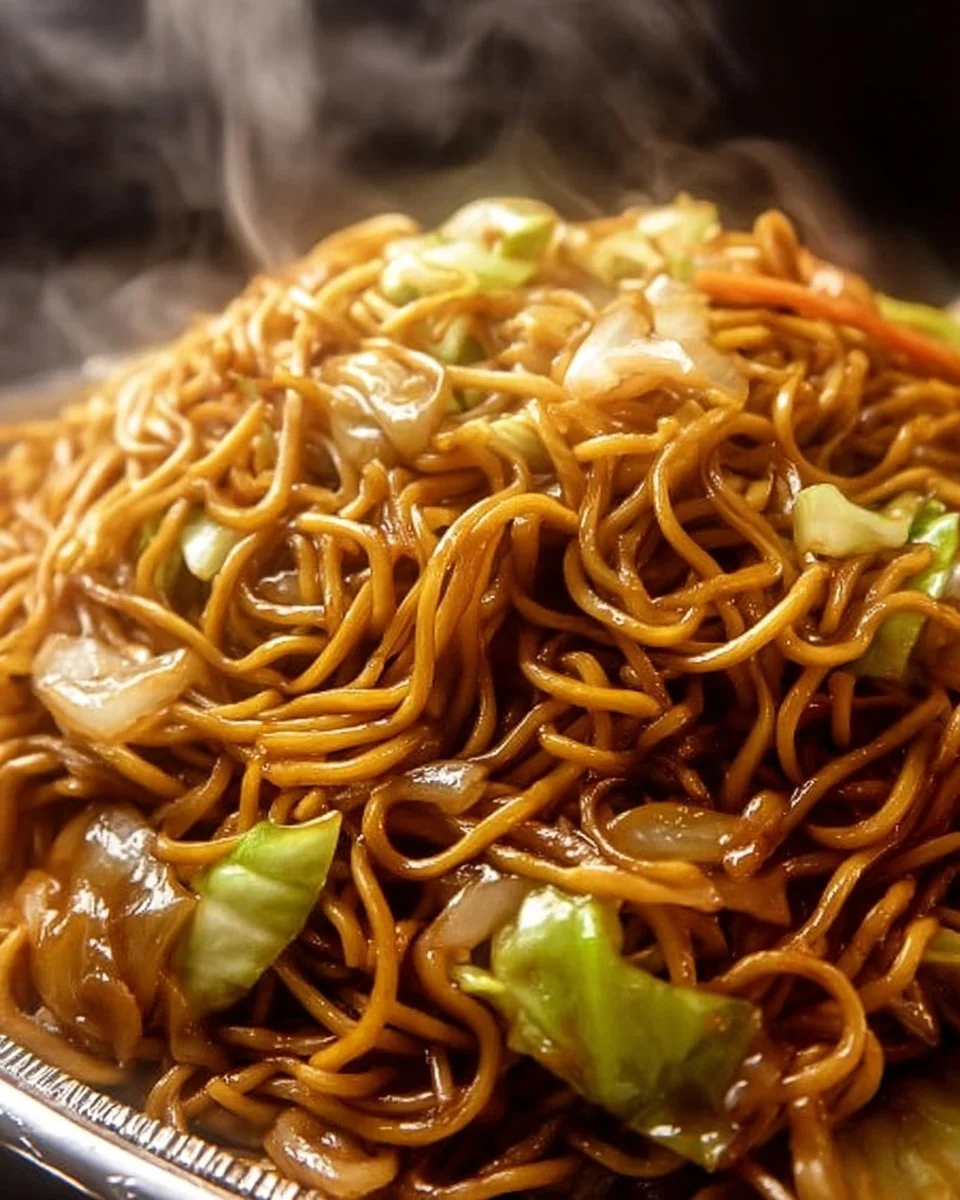
Are you craving some comforting chow mein but want to avoid the takeout hassle? Look no further! This Better-Than-Takeout Panda Express Chow Mein is a fabulous and easy copycat recipe that you can whip up right in your kitchen. It’s a dish that brings together fresh vegetables and quick-cooking yakisoba noodles, all coated in a delicious savory sauce. Perfect for busy weeknights or when you’re in the mood for a cozy meal, this chow mein is not only satisfying but also customizable. Your family will love it, and you’ll love how simple it is to make!
What Makes This Recipe So Special
This chow mein recipe stands out for several reasons. First, it’s incredibly quick and straightforward. You can have a scrumptious meal on the table in less than 30 minutes. With just a few ingredients and easy-to-follow steps, even novice cooks can excel. Second, it’s budget-friendly. By making it at home, you save money compared to ordering takeout. Third, it allows you to control the flavor and freshness. You can adjust the seasoning and ingredients based on your family’s preferences, leading to a dish that truly satisfies everyone at the table.
Simple Overview of Cooking This Dish
This recipe takes you through a few easy steps that make the cooking process a breeze. You’ll start by preparing your vegetables and noodles. Next, you’ll heat the oil in a large skillet or wok and sear the veggies to get that coveted char. After that, add the noodles, followed by the sauces, and stir everything together until well-combined. Just a few minutes of cooking, and you’ll be ready to serve! The whole process is efficient and results in a plate full of deliciousness.
Ingredients
- Prep Time: 10 minutes
- Cook Time: 15 minutes
- Total Time: 25 minutes
- Servings: 4
- 2 packs dry yakisoba noodles (cooked and drained (discard seasoning packets))
- 3 tablespoons neutral oil (e.g., canola or avocado)
- ½ medium yellow onion (thinly sliced)
- 8 oz green cabbage (finely shredded)
- 2 oz celery stalks (diagonally sliced)
- 1½ tablespoons soy sauce (or tamari for gluten-free)
- 1 tablespoon oyster sauce (or mushroom-based oyster sauce for vegan)
- Optional: ½ teaspoon sesame oil (for extra nuttiness)
- Optional: ⅛ teaspoon white pepper (for subtle heat)
- Optional: ½ teaspoon sugar (to round out savory depth)
Key Ingredients Explained:
- Yakisoba Noodles: These noodles are the star of the dish, providing an authentic flavor and texture.
- Neutral Oil: Essential for high-heat cooking without overpowering the dish’s flavors.
- Vegetables: Fresh onion, cabbage, and celery add crunch and nutrition.
- Sauces: Soy and oyster sauces work together for a deep umami flavor.
Step-by-Step Instructions
Now, let’s dive into the cooking process:
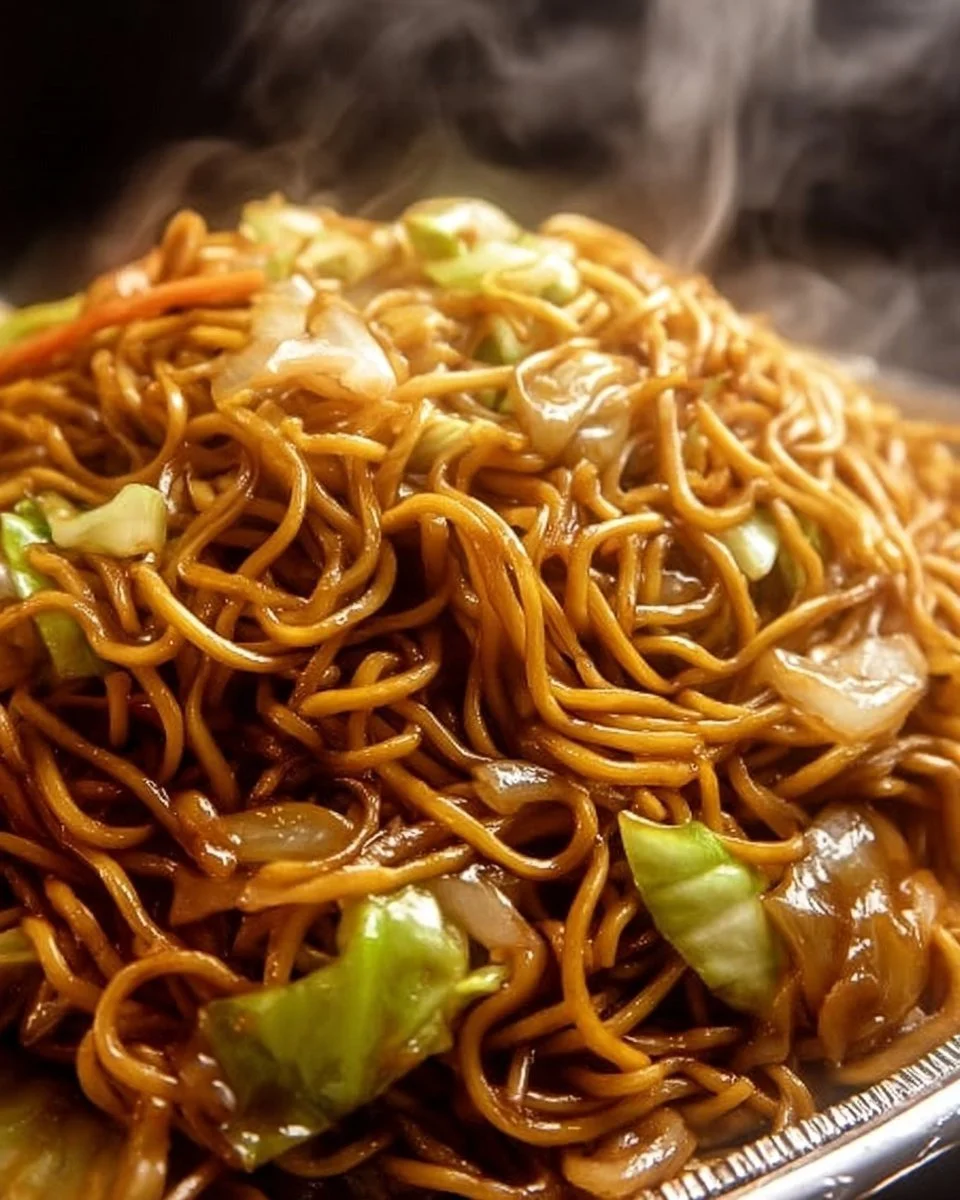
1. Prepare veggies: Start by slicing the onion and green cabbage thinly. Cut the celery into angled pieces for an appealing presentation. Set all the veggies aside while you prep the rest of the dish.
2. Soften noodles: Rinse the cooked yakisoba noodles under warm water to loosen them up. Drain well to ensure they’re not soggy when you mix them in later.
3. Heat your pan: Add the neutral oil to a large skillet or wok. Heat it over high heat until the oil shimmers, indicating that it’s hot enough to sear.
4. Sear the vegetables: Toss in the sliced onion, finely shredded cabbage, and angled celery. Allow them to cook without stirring for about 2–3 minutes until they develop a light browning. This step enhances their flavor.
5. Toss and finish cooking veg: Stir the vegetables gently to finish cooking them for another 2 minutes. The cabbage should wilt but still keep some crunch—this adds texture to your dish.
6. Add noodles: Grab your tongs and toss the noodles into the pan with the seared vegetables. If they are clumped, gently separate them to ensure even mixing.
7. Sauce it up: Pour in the soy and oyster sauces, and stir well until the noodles are covered in a glossy layer of sauce.
8. Finish & taste: At this point, you can add optional ingredients like sesame oil, sugar, or white pepper according to your taste preferences. Serve the chow mein hot for a delightful meal.
Pro Tip: Remember not to stir too early after adding the vegetables. Allowing them to char slightly mimics the famous takeout “wok hei” flavor, enhancing the overall taste of your chow mein.
Great Ways to Serve Chow Mein
This chow mein is delicious on its own, but there are various options for serving it. Consider pairing it with fried rice or delicious spring rolls for an authentic Asian meal experience. For an extra touch, serve it alongside a light soup, like hot and sour or egg drop soup, to round out the meal. If you’re hosting friends, it also makes for a perfect dish at gatherings or casual dinner parties. To drink, a light green tea or a refreshing lemonade complements it wonderfully.
Storing Chow Mein and Reheating Tips
If you have leftovers, no need to worry! You can easily store this chow mein in an airtight container in the refrigerator for up to 3 days. To reheat, simply warm it in a skillet over medium heat, adding a splash of water or broth to retain moisture. Stir often until heated through.
Expert Tips for Making the Best Chow Mein
Here are some practical tips to help you cook this dish like a pro:
- Always serve the chow mein immediately after cooking for the best texture and taste.
- Make sure your pan or wok is hot enough before adding ingredients to achieve that lovely char.
- Don’t overcrowd the pan, as this can lead to steaming rather than searing, which affects the flavor.
- Feel free to personalize it by adding your favorite proteins like shrimp, chicken, or tofu.
Delicious Variations to Try
This chow mein recipe is quite flexible! Here are some variations that you can consider:
- Vegetable Variations: Swap out the cabbage and celery for other veggies such as bell peppers, bean sprouts, or broccoli.
- Protein Additions: Include sliced chicken, beef, shrimp, or tofu for a heartier dish.
- Spicy Chow Mein: If you love heat, add some chili paste or fresh chili peppers when sautéing the veggies for a spicy kick.
Frequently Asked Questions
- Can I use other types of noodles? Yes, while yakisoba noodles are ideal, you can substitute with other stir-fry noodles like lo mein or even spaghetti in a pinch.
- Is this chow mein gluten-free? You can make it gluten-free by using tamari instead of soy sauce and ensuring the noodles are gluten-free.
- How can I make this recipe vegetarian? Simply use mushroom-based oyster sauce or omit it altogether while adding more soy sauce for flavor.
- Can I freeze leftovers? Yes, chow mein can be frozen for up to a month. Reheat by thawing overnight in the refrigerator and then warming on the stove.
- What can I do if the noodles are sticky? Rinse the noodles thoroughly before cooking to prevent stickiness, and ensure they’re heated at high temperatures with oil.